
Convenience store waste management plays a critical role in controlling operating expenses, maintaining compliance, and creating a clean, safe experience for customers. Yet many operators overlook opportunities to reduce waste-related costs through smarter vendor management, optimized service schedules, and improved recycling programs.
For multi-location convenience store chains, even small inefficiencies can quickly multiply across dozens or hundreds of locations. The good news is that a strategic approach to convenience store waste management can significantly reduce expenses while improving operational performance.
Understanding Convenience Store Waste Management Costs
When most operators think about waste expenses, they focus on the monthly hauling invoice. However, the true cost of convenience store waste management extends far beyond basic collection services.
Hidden costs often include:
- Overfilled or oversized dumpsters
- Excessive pickup frequencies
- Recycling contamination fees
- Administrative time spent managing vendors
- Compliance violations and penalties
- Service disruptions and emergency pickups
As convenience stores expand foodservice offerings and customer amenities, waste streams become more complex. Without proper oversight, costs can increase significantly year after year.
Optimize Recycling Programs
A well-managed recycling program can reduce landfill waste and lower overall disposal costs.
Convenience stores generate a variety of recyclable materials, including:
- Cardboard
- Plastic packaging
- Aluminum cans
- Paper products
When these materials are diverted from general waste streams, businesses often reduce hauling volumes and improve sustainability outcomes.
Effective convenience store waste management programs also include employee training and clear signage to prevent contamination. Cleaner recycling streams help avoid unnecessary fees and improve program performance.
Consolidate Vendor Management
Managing separate waste, recycling, cooking oil, and environmental vendors adds unnecessary complexity.
Multiple contracts often lead to:
- Inconsistent pricing
- Duplicate services
- Administrative inefficiencies
- Limited visibility into overall spending
Centralized vendor management allows convenience store operators to streamline operations while gaining greater control over service quality and costs.
For multi-location businesses, consolidating vendor relationships can improve purchasing leverage, simplify communication, and create a more consistent customer experience across locations.
Improve Compliance Oversight
Compliance failures can be among the most expensive convenience store waste management mistakes.
Many stores must manage waste streams and environmental compliance requirements, such as:
- Used cooking oil disposal
- Grease trap waste removal
- Solid waste and recycling programs
- Refrigeration and refrigerant management
- Environmental reporting and documentation requirements
Regulations vary by state and municipality, making compliance increasingly difficult for operators managing multiple locations.
A proactive compliance strategy helps businesses avoid fines, maintain accurate documentation, and ensure waste vendors meet regulatory requirements.
Train Employees on Waste Best Practices
Employees play a significant role in the success of any convenience store waste management program.
Without proper training, team members may:
- Place recyclables in trash containers
- Contaminate recycling streams
- Improperly dispose of regulated waste
- Create avoidable service calls
Clear procedures and ongoing education help employees understand how their actions affect operational costs and compliance performance.
Conduct Regular Waste Audits
One of the most effective ways to improve convenience store waste management is through regular waste audits.
Many stores pay for more waste capacity than they actually need. By analyzing waste generation patterns, operators can identify opportunities to right-size containers and adjust collection schedules.
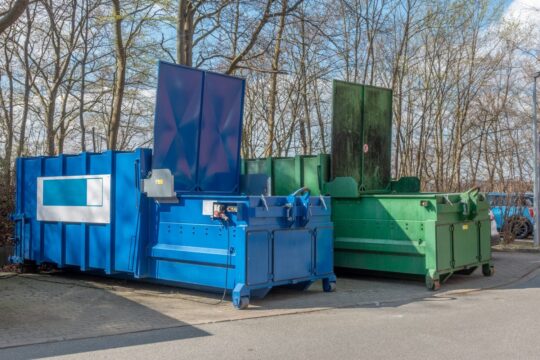
A waste audit can help determine:
- Actual waste volume
- Peak disposal periods
- Recycling opportunities
- Dumpster utilization rates
- Service frequency requirements
For example, a location receiving six waste pickups per week may discover that four pickups adequately support operations. Across multiple stores, those adjustments can generate substantial annual savings.
Use Data and Reporting to Drive Decisions
Many operators struggle to reduce waste costs because they lack visibility into performance.
Reporting and analytics can identify:
- Cost trends
- Service inconsistencies
- Vendor performance issues
- Recycling opportunities
- Compliance risks
Data-driven convenience store waste management programs allow operators to make informed decisions and continuously optimize services.
Regular reporting also helps leadership teams benchmark locations and identify opportunities for improvement across their portfolio.
Avoid Common Waste Management Mistakes
Even well-run operations can miss opportunities to improve waste management performance.
Some of the most common mistakes include:
Paying for Oversized Containers
Larger dumpsters often result in higher costs without providing additional value if capacity is underutilized.
Scheduling Excessive Pickups
Many locations continue operating under outdated service schedules that no longer reflect current waste volumes.
Failing to Review Invoices
Billing errors, duplicate charges, and inaccurate service fees can go unnoticed without routine invoice audits.
Managing Multiple Vendors Independently
Separate vendor relationships often create administrative burdens and limit visibility into total waste-related spending.
Neglecting Recycling Opportunities
Sending recyclable materials to landfills increases disposal costs and misses opportunities to improve sustainability performance.
Benefits of Outsourced Convenience Store Waste Management
As waste streams become more complex, many organizations are turning to outsourced facilities management partners for support.
An outsourced approach to convenience store waste management can provide:
- Vendor sourcing and management
- Compliance oversight
- Work order management
- Invoice validation
- Consolidated billing
- Performance reporting
- Strategic cost optimization
Rather than dedicating internal resources to coordinating multiple service providers, operators can focus on serving customers and growing their business.
For accounting departments, consolidated billing and invoice validation can also reduce administrative workload while improving financial visibility.
Reduce Costs Without Sacrificing Service
Convenience store waste management does not have to be a fixed or uncontrollable expense. Through waste audits, recycling optimization, vendor consolidation, compliance management, employee training, and performance reporting, operators can uncover significant cost-saving opportunities.