
Commercial Plumbing Services

Managing plumbing programs for multi-location businesses to support reliable operations, reduce downtime, and maintain system performance.

Drain Cleaning and Maintenance

Routine and emergency drain cleaning to prevent blockages and backups.

Jetting and Snaking

Clearing of lines to restore flow and maintain system performance.

Leak Detection and Repair

Identification and repair of leaks to prevent damage and water loss.

Water and Sewer Line Services

Repair, replacement, and installation of water and sewer lines.

Fixture Repair and Installation

Service and replacement of toilets, urinals, faucets, and related fixtures.

Water Heater Services

Maintenance, repair, and replacement of water heating systems.

Gas Line Services

Installation and repair of gas lines where required.

Camera Inspections

Video inspection of pipes to identify issues and support repair planning.

Emergency Plumbing Services

Rapid response to minimize disruption and restore operations.

A Smarter Approach to Plumbing Management

We manage plumbing services across all locations by coordinating preventative maintenance, tracking service activity, and responding to issues as they arise. Our approach helps reduce unexpected failures, maintain system performance, and improve response times. Each program is aligned with your facility needs and operating requirements.
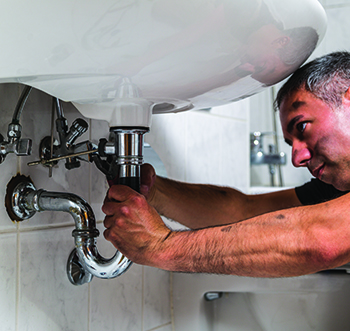
plumbing

Getting Started with SLM's Plumbing Solutions

SLM Facility Solutions Nationwide will help you manage plumbing services across all locations with consistent scheduling, service coordination, and support. Contact us to schedule a consultation.

Common Questions

Why is regular plumbing maintenance important for commercial facilities?

Regular plumbing maintenance is crucial for commercial facilities as it helps prevent major issues like leaks, clogs, and system failures. It ensures that all plumbing systems operate efficiently, reduces the risk of emergency repairs, and extends the lifespan of plumbing fixtures and systems.
A preventative plumbing maintenance plan should include regular inspections of all plumbing systems, cleaning of drains and pipes, testing of water pressure, checking for leaks, and maintenance of water heaters and boilers. It should also cover emergency response protocols and scheduled replacements of aging fixtures.

Using a professional plumbing service for emergency repairs ensures that the issue is resolved quickly and efficiently, minimizing downtime and preventing further damage. Professional plumbers have the expertise and tools to handle emergencies safely and effectively, ensuring compliance with all regulations.

Common plumbing problems in commercial facilities include leaky faucets, clogged drains, malfunctioning toilets, water heater issues, low water pressure, and sewer line blockages. These issues require professional intervention to prevent disruption of operations and ensure the safety and comfort of occupants.
Businesses can reduce water consumption and save on utility bills by installing low-flow fixtures, regularly checking for and repairing leaks, using water-efficient appliances, and implementing water-saving practices such as using recycled water for landscaping. Regular maintenance and monitoring can also help identify areas for improvement.
If a facility experiences low water pressure, it is important to check for obvious leaks, ensure all valves are fully open, and clean any clogged fixtures. If the issue persists, a professional plumber should be called to diagnose and address the underlying problem, which could be due to pipe obstructions, pressure regulator issues, or other system failures.
Businesses can ensure compliance with local plumbing regulations by working with licensed and certified plumbing service providers who are knowledgeable about current codes and standards. Regular inspections, proper maintenance, and keeping up-to-date with any changes in regulations are also essential.
To prepare plumbing systems for winter, businesses should insulate exposed pipes, check and service water heaters, ensure all heating systems are working properly, and disconnect and drain outdoor hoses. It is also important to check for any leaks and ensure all plumbing fixtures are in good condition to prevent freezing and bursting pipes.
Advanced technologies for modern plumbing systems in commercial facilities include smart leak detection systems, water-efficient fixtures, automated irrigation systems, and energy-efficient water heaters. Additionally, camera video pipe inspections and advanced water treatment systems can help maintain the efficiency and safety of plumbing systems.