
Backflow Testing
& Compliance Services
Managing backflow testing and compliance programs for multi-location businesses to help maintain safe water systems and meet regulatory requirements.
Inspection and Testing
Coordination of certified testing to meet local and state requirements.
Certification and Documentation
Completion and submission of required paperwork to local authorities.
Preventative Maintenance
Ongoing service planning to keep devices functioning properly.
Repair and Replacement
Management of repairs and replacement when devices fail inspection.
Installation Services
Coordination of new device installation where required.
Compliance Tracking
Monitoring testing schedules and regulatory requirements across all locations.
Vendor Coordination
Sourcing and managing licensed service providers to ensure consistent service quality.
A Smarter Approach to Backflow Management
We coordinate testing, track requirements, and manage documentation across all locations. Our approach ensures that inspections are completed on time, records are properly filed, and any required repairs are handled quickly. Each program is aligned with local regulations and the specific needs of your facilities.
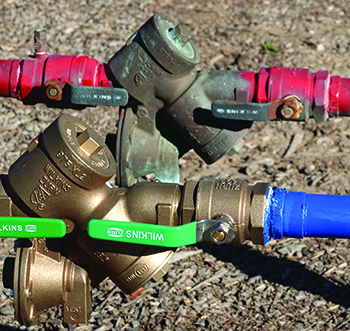
Getting Started with SLM's Backflow Management Solutions
We manage the process from scheduling through documentation, so your team does not have to track requirements or coordinate vendors. Our services include nationwide coverage, 24 hour support, invoice auditing, and program visibility across all locations. We provide structure and consistency to help reduce compliance risk.
Common Questions
Why is backflow testing important for commercial properties?
Backflow testing helps verify that backflow prevention devices are functioning properly and protecting potable water systems from potential contamination. For commercial properties, regular testing can also help identify equipment issues and support compliance with applicable state, local, and water authority requirements.
How does backflow prevention protect public health?
Backflow prevention helps keep contaminated or non-potable water from flowing backward into a potable water supply. Backflow can occur when changes in water pressure create backpressure or backsiphonage, potentially allowing chemicals, microorganisms, or other contaminants to enter drinking water systems.
What are the common types of backflow prevention devices used in commercial settings?
Common backflow prevention devices and assemblies include reduced pressure principle assemblies (RP/RPZ), double check valve assemblies (DCVA), pressure vacuum breakers (PVB), spill-resistant vacuum breakers (SVB), atmospheric vacuum breakers (AVB), and air gaps. The appropriate device depends on the type of cross-connection, potential hazard, plumbing configuration, and applicable local requirements.
What are the signs that a backflow prevention device may need servicing?
Visible leaks or discharge, corrosion, damaged components, changes in water pressure, or a failed backflow test may indicate that a device needs attention. Because some problems may not be obvious during normal operation, required inspection and testing are important for identifying issues and confirming that the device is functioning properly.
How can businesses prepare for a backflow testing inspection?
Businesses can prepare by confirming the location and accessibility of each backflow prevention assembly, gathering previous testing or maintenance records, and identifying any site-specific access or scheduling requirements. Facility teams should also verify local testing requirements and ensure testing is performed by appropriately qualified or certified personnel when required by the applicable authority.
What are the potential consequences of failing to comply with backflow testing regulations?
How do backflow testing and maintenance contribute to sustainability goals?
What should businesses look for in a backflow testing service provider?
How does SLM Facility Solutions ensure compliance with backflow testing regulations?
SLM Facility Solutions ensures compliance with backflow testing regulations by employing certified, licensed, and insured technicians to conduct thorough inspections and testing. They handle all necessary documentation and reporting, maintain a tracking system for timely reminders, and provide comprehensive maintenance and repair services to address any issues promptly.
What advanced technologies are used in backflow testing and compliance?
Advanced technologies used in backflow testing and compliance include specialized testing equipment for accurate pressure and flow measurements, digital tracking systems for scheduling and documentation, and remote monitoring solutions to detect potential issues in real-time. These technologies enhance the efficiency and reliability of backflow prevention efforts.