
Grease Trap &
Used Cooking Oil Services
Managing grease trap programs for multi-location food service operations to support compliance, prevent disruptions, and keep kitchens running.
Cleaning and Pumping
Scheduled service to remove buildup and maintain proper function.
Preventative Maintenance
Routine service planning to reduce emergency issues and extend equipment life.
Emergency Response
Rapid coordination to resolve backups, overflows, and urgent service needs.
Jetting and Drain Line Cleaning
Clearing blockages to maintain proper flow and prevent recurring issues.
Installation and Repair
Coordination of grease trap and interceptor installation and repair services.
Lift Station Services
Ongoing maintenance and service support for lift stations connected to grease systems.
Compliance and Reporting
Tracking service records, manifests, and local requirements to support compliance.
A Smarter Approach to Grease Trap & Used Cooking Oil Services
SLM coordinates nationwide grease trap management programs through a network of qualified service providers. From routine pumping and preventive maintenance to emergency response and compliance documentation, we oversee service activity across your locations.
Our centralized approach provides consistent service coordination, consolidated billing, and portfolio-wide reporting while accommodating each location’s operational needs and local requirements.
Getting Started with SLM's Grease Trap & Used Cooking Oil Services
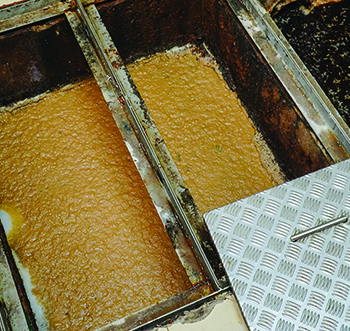
Grease traps play a critical role in separating fats, oils, and grease from wastewater. Without proper maintenance, buildup can lead to backups, odors, and regulatory issues. SLM will build a grease trap program that supports compliance and keeps your restaurants operating without disruption.
Common Questions
Can one company manage grease trap services for restaurant locations nationwide?
Yes. SLM Facility Solutions Nationwide coordinates grease trap cleaning, pumping, preventive maintenance, and emergency services for multi-location restaurant operators across the country. Through centralized vendor management, service tracking, and reporting, SLM helps businesses maintain consistent oversight across their locations.
How do restaurant chains manage grease trap maintenance across multiple locations?
Restaurant chains can streamline grease trap maintenance by working with a facilities management provider that coordinates service schedules, oversees local service providers, tracks compliance documentation, and consolidates reporting. SLM manages these activities through a centralized approach tailored to each restaurant’s requirements.
What should restaurant chains look for in a nationwide grease trap management provider?
Restaurant chains should evaluate geographic coverage, service provider qualifications, preventive maintenance capabilities, emergency response, compliance documentation, and reporting. A centralized management approach can also improve visibility into service activity, costs, and performance across locations.