
Fire Protection Services
Managing fire protection programs for multi-location businesses to support life safety, maintain compliance, and ensure equipment is ready when needed.
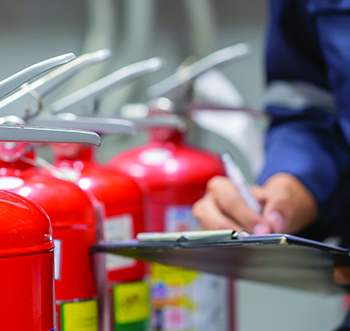
Fire Extinguisher Inspection and Service
Inspection, maintenance, and replacement to ensure equipment is operational and compliant.
Fire Suppression System Service
Inspection and servicing of suppression systems to identify issues and maintain proper function.
Emergency Lighting and Exit Signs
Testing and maintenance of emergency lighting systems to ensure proper operation during power outages.
System Repairs and Replacement
Coordination of repairs and replacement of fire protection equipment when deficiencies are identified.
Compliance Tracking and Documentation
Management of inspection records and documentation to meet regulatory requirements.
Vendor Coordination
Sourcing and managing licensed providers to ensure consistent service across all locations.
A Smarter Approach to Fire Protection
We coordinate every part of your fire protection program so your team does not have to manage vendors, schedules, or compliance requirements. Inspection schedules are tracked across all locations to ensure services are completed on time. Licensed providers are sourced and coordinated for each service. Documentation is maintained to support compliance. Repairs and follow up work are managed when issues are identified. You have visibility into service activity, compliance status, and completed work across all locations.
Getting Started with SLM's Fire Protection Solutions
SLM Facility Solutions Nationwide will help you manage fire protection services across all locations with consistent scheduling, documentation, and support.
Common Questions
What types of fire extinguishers are available and what are their uses?
How often should fire extinguishers be inspected and maintained?
What is involved in a fire suppression system inspection?
Why is emergency lighting important in commercial buildings?
What are the benefits of early warning fire detection systems?
How does SLM Facility Solutions ensure compliance with fire safety standards?
How do fire suppression systems differ in various industries?
What are the key components of a comprehensive fire protection plan?
How can regular fire drills benefit a business?
Regular fire drills familiarize employees with evacuation procedures, helping them respond quickly and calmly in an emergency. Drills identify potential issues in evacuation plans, allowing for improvements to be made. This preparedness reduces panic, ensures a coordinated response, and enhances overall safety during an actual fire event.