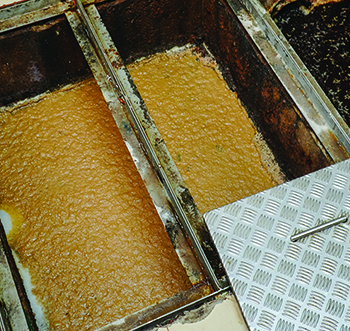
The foundation of effective multi-location grease trap cleaning is a program that delivers consistency, compliance, visibility, and scalability across every restaurant location. While many vendors can pump a grease trap, very few can manage a comprehensive nationwide program that protects operations, supports compliance, and reduces long-term costs for restaurant brands operating across multiple markets.
At scale, grease trap maintenance requires more than scheduling cleanings. It requires proactive planning, vendor management, reporting, quality control, and real-time support.
Why Grease Trap Programs Matter for National Brands
For national restaurant brands operating dozens, hundreds, or even thousands of locations, inconsistent grease trap maintenance creates significant operational risk. This is especially important as brands continue navigating industry-wide operational pressures.
Grease traps are essential to commercial kitchen operations. When improperly maintained, they lead to:
- Sewer backups
- Health code violations
- Emergency plumbing failures
- Foul odors
- Business interruptions
- Environmental fines
- Customer experience issues
Many organizations struggle with:
- Different vendors in every market
- Inconsistent service quality
- Lack of documentation
- Missed cleanings
- Reactive emergency service calls
- Poor communication between field teams and vendors
The right grease trap cleaning program solves these problems through centralized oversight and standardized processes.
What Makes a Multi-Location Grease Trap Cleaning Program “Best-in-Class”?
The best grease trap cleaning programs share several critical characteristics.
1. Nationwide Coverage with Local Execution
National brands need a partner capable of coordinating service across all locations while maintaining local responsiveness.
This model allows national operators to:
- Consolidate vendor management
- Standardize service expectations
- Improve accountability
- Ensure consistent reporting across locations
Instead of managing dozens of grease trap vendors independently, brands gain one centralized facilities management partner.
2. Proactive Maintenance Scheduling
Reactive grease trap service is expensive.
A strong grease trap cleaning program uses proactive maintenance schedules based on:
- Kitchen volume
- Cooking type
- Location-specific regulations
- Historical grease accumulation
- Seasonal demand fluctuations
Preventive scheduling reduces:
- Emergency plumbing calls
- Downtime
- Overflow incidents
- Costly repairs
3. Compliance Management
Local municipalities often have strict grease disposal regulations. Non-compliance can result in fines, environmental penalties, failed inspections, and brand reputation damage.
The best multi-location grease trap cleaning programs include compliance tracking and documentation management. This is particularly important for:
- Restaurants
- Convenience stores
- Grocery chains
- Independent/Senior living communities
4. Centralized Reporting and Visibility
National brands need visibility into service completion, vendor performance, and operational trends. Best-in-class programs provide:
- Digital service records
- Photo documentation
- Invoice validation
- Service history tracking
- Trend reporting
- Multi-location dashboards
5. Quality Control and Accountability
Not all grease trap cleanings are equal.
Without oversight, vendors may:
- Incompletely pump traps
- Skip documentation
- Leave grease residue behind
- Perform inconsistent service
A strong national grease trap program includes:
- Vendor performance monitoring
- Service audits
- Photo verification
- Invoice review
- Follow-up inspections
This level of oversight helps national brands reduce recurring problems and improve service consistency.
6. Real-Time Support During Emergencies
Even with preventive maintenance, emergencies can happen. Overflowing grease traps can shut down kitchens quickly. The best multi-location grease trap cleaning programs include real-time tactical support to coordinate emergency response and minimize operational disruption.
For multi-location operators, having a single point of contact during emergencies can significantly reduce downtime and stress.
Why National Brands Are Moving Toward Outsourced Facilities Management
Many large operators are shifting away from fragmented vendor relationships and toward outsourced facilities management partnerships.
Why? Because managing grease trap programs internally across multiple markets is resource-intensive.
SLM Facility Solutions Nationwide was built on the belief that facilities management should not distract organizations from serving their customers.
Outsourced facilities management helps brands:
- Reduce internal administrative tasks
- Improve service consistency
- Streamline billing
- Enhance compliance
- Gain operational visibility
Instead of coordinating dozens of local vendors, internal teams can focus on operations, customer experience, and growth.
The Bottom Line
The best multi-location grease trap cleaning program for national brands is one that combines proactive maintenance, nationwide coordination, compliance management, real-time support, and operational visibility into a single streamlined solution.
National operators need more than a pumping vendor. They need a facilities management partner capable of simplifying complexity across every location.
For brands managing facilities across multiple markets, the right grease trap program reduces risk, improves consistency, and creates a more scalable operational foundation for growth.
Ready to improve grease trap management across your locations?
SLM Facility Solutions Nationwide provides scalable outsourced facilities management solutions designed to help national brands reduce emergency service calls, improve compliance, simplify vendor coordination, and maintain operational consistency. Contact SLM today to build a smarter, more proactive multi-location grease trap cleaning program for your organization.